Soil & Compost · 4 Jul 2026 · 12 min read
Compost That Actually Works: Browns, Greens and Common Mistakes
Why most home compost heaps stall, and the simple ratio, moisture level and turning routine that turns kitchen scraps into dark crumbly gold.
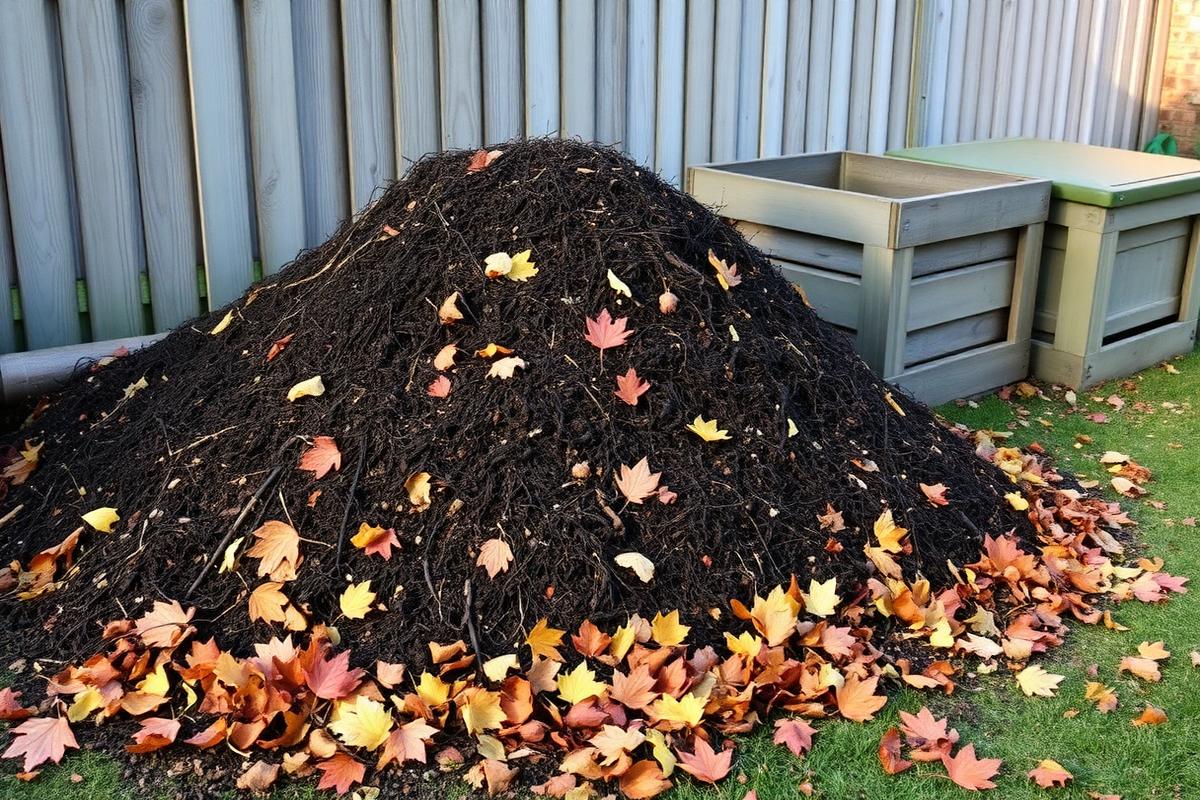
A compost heap is the cheapest soil improver in existence and the most commonly mismanaged feature in a garden. The usual complaint is that it is slimy and smells of vinegar, or that it has sat unchanged for two years like a damp museum exhibit. Both problems come from the same source: the balance of materials.
The browns and greens ratio
Greens are wet and nitrogen-rich: kitchen peelings, grass clippings, coffee grounds, soft prunings. Browns are dry and carbon-rich: cardboard, straw, dry leaves, small twigs, shredded paper. Aim for roughly two parts brown to one part green by volume. A heap of pure kitchen waste becomes an anaerobic sludge; a heap of pure cardboard sits inert. Mixed in layers, they heat within days.
Moisture, air and size
The heap should feel like a wrung-out sponge — damp, never dripping. Cover it in heavy rain and water it in a drought. Air matters just as much: turning the heap every few weeks reintroduces oxygen and restarts the heating process. Size matters too. A heap smaller than about a cubic metre struggles to retain heat, which is why a tiny bin in a shady corner never seems to do anything.
- Do compost: vegetable peelings, tea leaves, coffee grounds, eggshells, cardboard, leaves, grass, spent plants.
- Do not compost: cooked food, meat, fish, dairy, dog and cat waste, perennial weed roots, diseased material.
- Chop or shred large material — surface area is speed.
- Keep a bag of dry leaves or cardboard nearby to balance each kitchen bucket.
Hot heaps and cold heaps
A hot heap, built in one go from a large mixed volume and turned weekly, can produce usable compost in eight to twelve weeks and will kill many weed seeds along the way. A cold heap, added to gradually, takes nine months to two years but requires almost no effort. Both are legitimate. Most household gardeners run a cold heap and simply keep two bins, filling one while the other matures.
Leaf mould: the forgotten resource
Autumn leaves rot by fungal action rather than bacterial action, so they are slow and do not need to be in the main heap. Stuff them into a wire cage or a perforated bin bag, wet them, and forget them for a year. The result is a dark, crumbly conditioner that is superb for seed compost mixes and for mulching woodland-edge plants. It costs nothing and it is the single easiest thing a new gardener can make well.
When compost is ready it is dark, crumbly and smells like a forest floor. Spread it two centimetres thick on the surface in autumn or spring and let the worms do the digging. That is the entire technique, repeated annually, and it will improve a difficult garden more than any product you can buy.