Vegetables · 30 Jul 2026 · 14 min read
Growing Tomatoes Outdoors: Varieties, Feeding and Avoiding Blight
Everything a home gardener needs for a heavy tomato crop without a greenhouse — from choosing varieties to pinching side shoots and reading the weather.
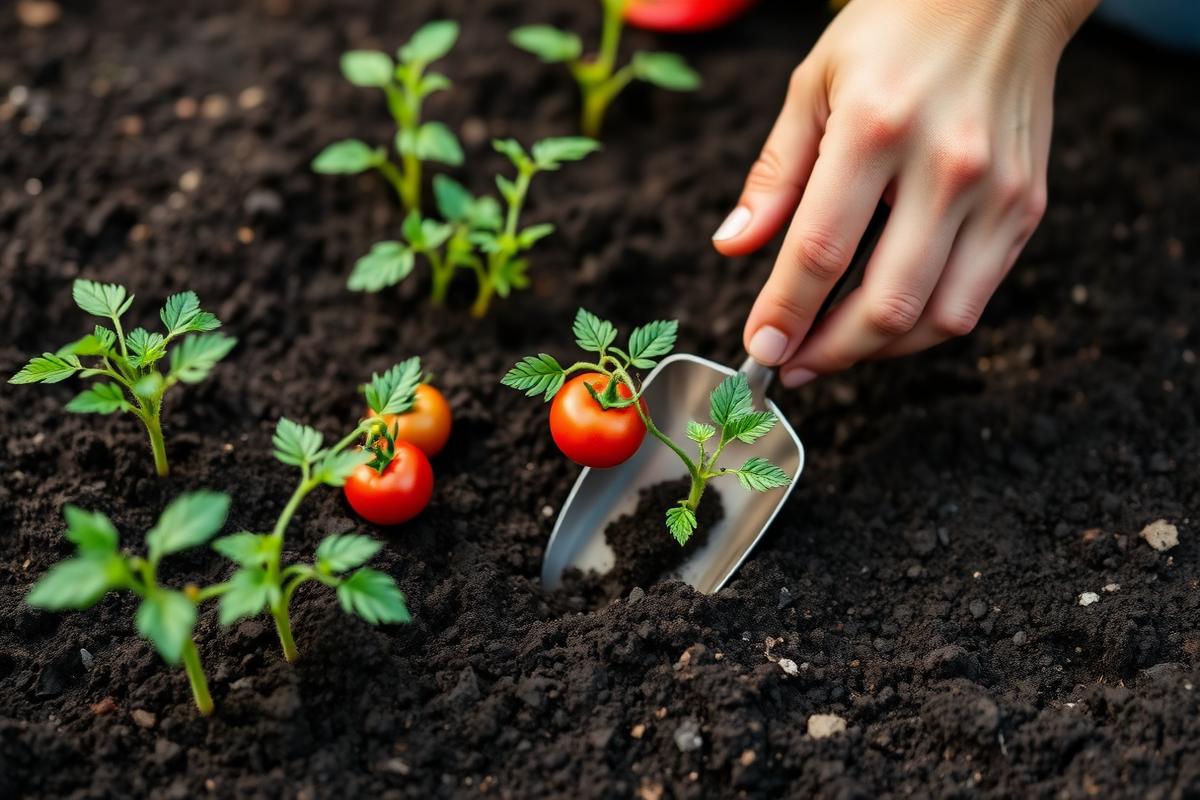
The tomato is the plant that converts curious people into gardeners. A supermarket tomato is engineered to survive transport; a ripe one picked warm from your own plant is a different food entirely. The good news is that outdoor tomatoes are perfectly achievable in most temperate gardens, provided you choose sensible varieties and understand the two things that decide the season: heat and blight.
Cordon or bush: pick your management style
Cordon (indeterminate) varieties grow as a single tall stem, need tying to a cane, and require you to pinch out the side shoots that appear where each leaf joins the stem. They crop over a long season and use vertical space efficiently. Bush (determinate) varieties sprawl, need no pinching, and deliver a concentrated harvest, which is ideal if you plan to make sauce. Beginners with limited time are often happier with a bush type in a large pot and one cordon against a warm wall.
Sowing and hardening off
Sow indoors six to eight weeks before your last frost date, at around twenty degrees Celsius, in small pots of fine compost. Pot on once the first true leaves appear, burying the stem a little deeper each time — tomatoes root along their stems, and a deeply planted seedling builds a stronger root system. Two weeks before planting out, begin hardening off: a few hours outdoors on mild days, increasing gradually. A plant moved straight from a warm windowsill to an open garden may stall for a fortnight.
Feeding: nitrogen first, then potassium
Until the first flowers open, the plant is building leaves and roots, and a balanced feed is fine. Once fruit begins to set, switch to a high-potassium feed — the classic choice is a comfrey or tomato feed once a week. Too much nitrogen late in the season produces magnificent foliage and disappointing trusses. Consistency matters more than strength: erratic watering causes blossom end rot and split skins far more often than any nutrient deficiency.
Blight: the outdoor grower's real enemy
Late blight arrives in warm, humid, wet spells and moves fast: brown patches on leaves, dark lesions on stems, and fruit that rots from the shoulders. There is no cure for an infected plant. Your defences are cultural. Space plants generously so air moves between them. Water the soil, never the leaves. Remove lower foliage as the plant grows so nothing touches wet ground. Choose blight-resistant varieties where you can. And if a wet fortnight is forecast in high summer, harvest anything approaching ripeness rather than gambling.
- Space plants at least 45 cm apart for airflow.
- Mulch the soil surface to reduce splash-borne spores.
- Water in the morning, at the base of the plant only.
- Remove and bin infected material — do not compost it.
- Grow a resistant variety alongside a favourite heirloom as insurance.
Ripening the last of the crop
When nights turn cold, remove the growing tip so the plant stops making new trusses and puts its energy into what already exists. Green tomatoes will ripen indoors in a paper bag with a banana, whose ethylene speeds the process, or they can become chutney, which is arguably the point of a cold autumn. Nothing needs to be wasted, and a shelf of jars is its own quiet form of success.
Grow tomatoes for three seasons and you will stop following instructions and start reading the plant instead: the curl of a leaf that means heat stress, the pale new growth that means hunger, the sudden fragrance of the stem on the morning you finally get to pick.